
Is Google Ads Still Worth It? What the 2026 Numbers Actually Show
Clicks are now more expensive than ever, and campaigns are more automated than ever.An examination of the most recent data reveals if Google Ads are still worthwhile and provides methods to ensure a profit.
At some point, every company that has implemented a Google Ads campaign has wondered if it is truly worthwhile. The rivalry in most sectors is more intense than ever, costs per click have been rising continuously for years, and Google’s own technology is now handling a larger portion of the campaign instead of a human hand on the dial.
Recent performance data thoroughly examine the continued profitability of Google Ads—and how you may adjust your setup to assure a profitable outcome—as ad pricing rises and automated management takes over
All businesses who have used Google Ads eventually
Even with growing expenses, paid search is still one of the more dependable avenues for quantifiable return; across all platforms, pay-per-click advertising usually yields an average return of around 200%, or $2 for every $1 spent. Naturally, the average conceals a broad range of results; a badly targeted campaign may lose money, while a well-optimized one may make much more. However, it demonstrates that when the underlying model is correctly handled, it still functions.
In addition to keywords and bids that are standard, a London-based company using Google Ads must take geographical targeting and the regions it truly serves into account.
The majority of the campaign is now conducted by automation.
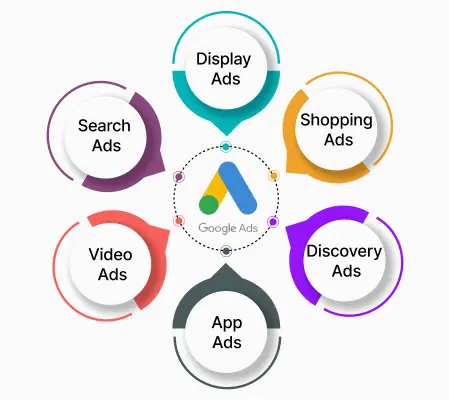
The largest fundamental shift in Google Ads over the last few years is the extent to which machine learning now makes daily bidding decisions instead of people. Approximately 78% of all Google Ads spend is now driven by AI-powered bidding through Smart Bidding and Performance Max, and advertisers that move to Smart Bidding usually enjoy a 20% boost in conversions for the same expenditure. Fighting the algorithm with manual bids is no longer the most efficient use of time for the majority of enterprises. The higher-value labor now focuses on providing the automation with quality inputs, such as well-structured campaigns, transparent conversion monitoring, and audience and creative signals that should be optimized.
Paid search remains one of the most expensive options despite rising costs.
Reliable sources of quantitative return; pay-per-click advertising typically generates an average return of about 200%, or $2 for every $1 invested, across all channels. Naturally, a wide variety of outcomes are hidden by the average; a poorly targeted campaign can lose money, while a well-optimized one might earn significantly more. Nonetheless, it shows that the fundamental paradigm still works when it is handled appropriately.

The primary channel has subtly shifted to mobile.
Campaign strategy must adapt to the significant shift in search behavior toward mobile devices. Approximately 68% of all Google Ads clicks now originate from mobile devices, and mobile clicks have a cost per click that is approximately 5% more than desktop. With a landing page that loads slowly or is difficult to browse on a phone, a campaign that was mostly developed and tested on a desktop screen is covertly losing money with each mobile click it receives.
The cost of each click varies.
The average cost per click for all industries in 2026 is $5.42, with a click-through rate of 6.64% and a conversion rate of 8.18%. However, individual sectors range from about $1.63 in arts and entertainment to nearly $9.87 in legal and attorney services. Knowing where a business falls on that scale is the first step toward realistic budgeting. The plan must be based on the reasonable cost of a click in that particular market, thus a company in a high-priced category shouldn’t anticipate the same budget to go as far as one in a lower-cost category.
A realistic budget's appearance
Generic advice is difficult to implement since budgets vary as much as click-through rates. Larger companies spend anywhere from $15,000 to well over $100,000 a month on Google Ads, while small businesses typically spend between $1,500 and $5,000. The average cost per conversion across industries is approximately $46, ranging from about $24 in e-commerce to $130 in legal services. To determine what a realistic monthly spend actually looks like, it is more beneficial to work backward from a target cost per conversion and the industry’s typical click cost rather than copying a competitor’s budget.
How a realistic budget looks
Budgets differ as much as click-through rates, making generic suggestions hard to execute. Small businesses usually pay between $1,500 and $5,000 each month on Google Ads, whereas larger organizations spend anywhere from $15,000 to well over $100,000. Across all businesses, the average cost per conversion is around $46; this ranges from roughly $24 in e-commerce to $130 in legal services. Instead of replicating a competitor’s budget, it is more advantageous to work backward from a desired cost per conversion and the industry’s usual click cost to discover what a realistic monthly expenditure truly looks like.
Even while Google Ads is more automated, competitive, and costly per click in 2026 than it was even a few years ago, companies who approach it as a specific, quantifiable channel rather than a set-and-forget budget line continue to reap significant benefits. Designing for mobile-first traffic, safeguarding Quality Score, feeding Smart Bidding with quality data, and budgeting around a reasonable cost per conversion are now the key differences between a campaign that consistently generates revenue and one that silently wastes money. The platform is still operating. Simply put, accuracy is now rewarded more than expenditure.