
What This Means for Your Marketing Strategy: Social Media Is the New Search Engine
These days, individuals surf not to kill time but to find solutions. Businesses may market to a generation that utilizes social media instead of Google in this way.
Ten blue links show up when you ask Google a question. When you ask the same question on Instagram or TikTok, a real person will answer it for you. The largest change in social media marketing at the moment is this difference, which is subtly changing how consumers find companies.

Discovery has discreetly left Google.
Younger audiences are undergoing the quickest change in search behavior, but Gen Z is not the only group experiencing this change. Short, visual, first-person material is gradually taking the place of textual evaluations and search results on all platforms; TikTok, Instagram, and YouTube combined now account for more than 60% of product discovery, surpassing traditional search engines. This implies that product pages and blog entries are no longer sufficient for marketers. Additionally, a business must have a searchable presence within the platforms itself, with videos, on-screen text, and clear subtitles designed to address the precise queries a customer is likely to ask.
The work is being done using short-form video.
Short, quick, and natural-feeling videos are now rewarded on all major platforms, and the return on investment is quantifiable rather than anecdotal: 41% of marketers consider short-form video to be their top performer, far outperforming long-form or live video. It is not necessary for every company to follow dancing trends. This indicates that the best-performing material is typically brief, straightforward, and helpful—a 30-second demo, a before-and-after, or a succinct response to a typical criticism.
on other hand Instagram and social media content may help a tiny London company become well-known before a prospective client even sees its online presence.Polish is not as important as quickness and clarity.
Authenticity beats automation
As AI tools make it easier than ever to generate captions, images and even video, audiences are becoming more selective about what actually earns their attention — and what they say they want runs counter to the industry’s rush toward automation. When asked what they want most from brands on social media, consumers rank human-generated content as their number one priority, above any other format. The practical takeaway is not to avoid AI altogether. Many teams use it well behind the scenes, for research, scheduling and first drafts. The finished post, however, still needs a recognisably human voice: real footage, real language, real people, not content that reads as if it was produced entirely by a machine.
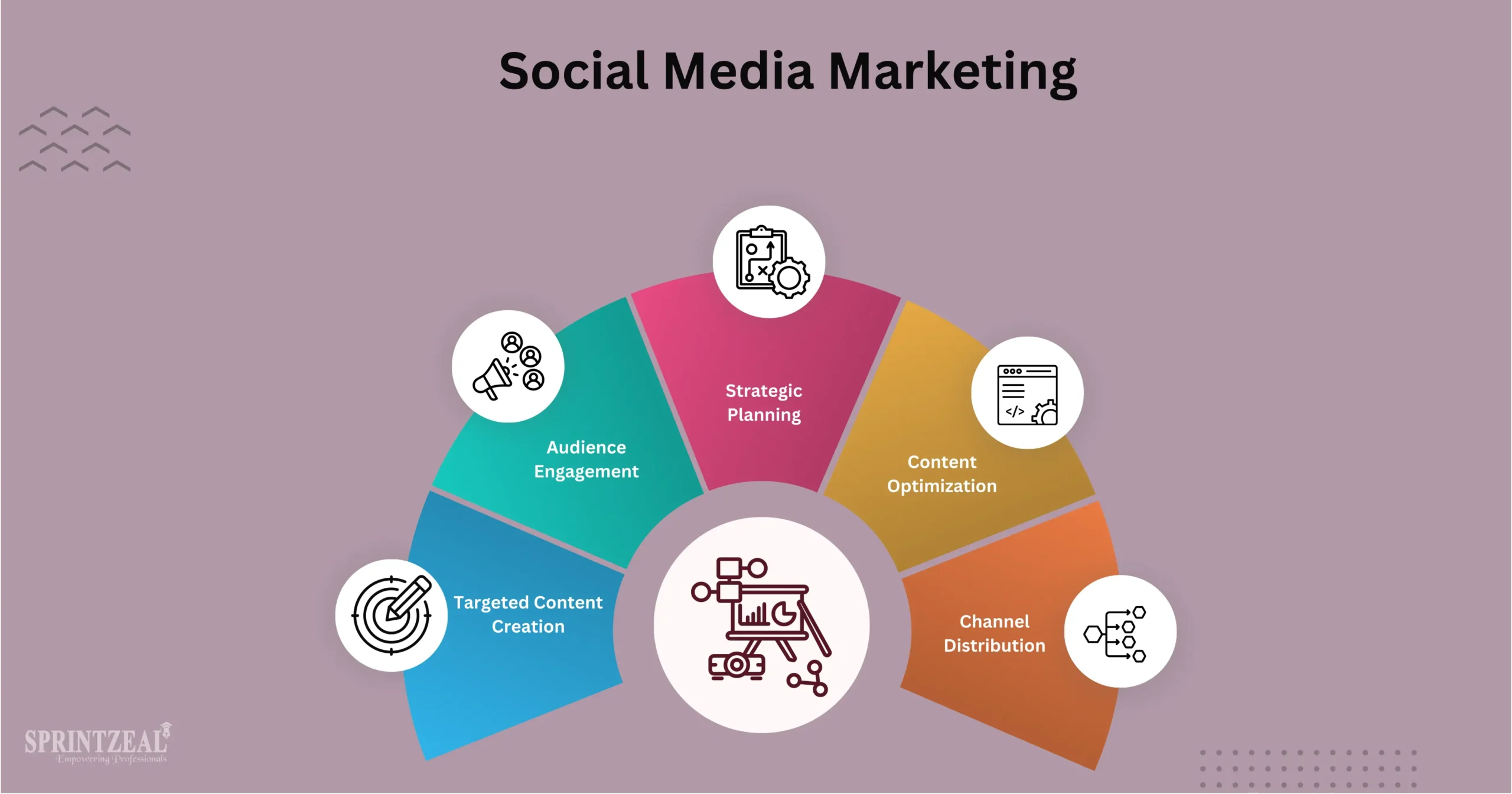
Social media is becoming a source of income as well as a platform for brands.
The notion that purchases occur elsewhere and social media only increases awareness is out of date. Nowadays, purchases typically begin and end within the app: social networks accounted for 15.2% of all online transactions, and by 2027, worldwide social commerce income is expected to surpass $1 trillion. The majority of consumers claim that social media material has caused them to make an impulsive purchase more than once in the previous year, indicating that impulse buying is a significant factor in that rise. This implies that shoppable content, obvious calls to action, and simple checkout are now essential components of the strategy rather than optional extras.
Customer service is becoming a component of marketing work.
A brand’s reputation now depends just as much on its email and comment section as it does on its advertisements. Slow or generic responses have a real cost: 73% of consumers claim that if a brand doesn’t reply to them on social media, they will go to a rival. Because of this, the best social teams no longer keep content, community management, and customer service apart. While a prompt, personal response may transform a complaint into a devoted client, a single missed message can destroy the trust that months of excellent content labored to establish.
Developing a plan based on search-style content
- Planning content is altered when social media sites are treated as search engines. A pragmatic strategy consists of
- Respond to genuine inquiries: create material based on what your readers are genuinely typing or asking, not just what looks nice.
- Front-load clarity: include the main idea in the opening line of a caption or the first three seconds of a video.
- Maintain humanity by prioritizing authentic voices and footage over highly manufactured or AI-generated material.
- Make purchasing simple by pairing helpful material with an obvious, low-friction next step, such as a simple link or a shoppable tag.
- Respond to comments and direct messages promptly and personally to safeguard the credibility that your work establishes.
In 2026, being accessible, credible, and responsive will be more important in social media marketing than broadcasting. In the same way that they used to search on Google, audiences are using these platforms to find short, honest videos instead of lengthy ones, expecting brands to sell without being aggressive, and evaluating businesses based on how quickly they respond. The brands who manage their social media presence as a storefront, a search engine, and a customer care desk simultaneously will be the ones that attract and retain the interest of their target audience.